








 Ana Danch

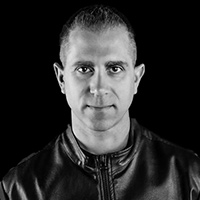
DJ Smash (real name — Andrey Leonidovich Shirman; born May 23, 1982, in Perm) — is a Russian DJ, composer and music producer. He became one of the most prominent figures on the Russian club scene of the 2000s and 2010s. His best-known works include «Moscow Never Sleeps», «Волна», «Можно без слов», «Москва», «Любовь на расстоянии», «Новая волна», «CO2» and «Позвони».
Over the years, DJ Smash has worked with house, electro house, progressive house, EDM and dance-pop. A significant part of his best-known catalog combines an electronic foundation with full song structures and guest vocals. Artists who have participated in his projects include Vera Brezhneva, the group «Vintage», Natalia Podolskaya, Timati, Larisa Dolina, Artem Pivovarov, Artik & Asti, Polina Gagarina, Egor Kreed, Klava Koka, Olga Seryabkina and others.
Childhood and First Recordings
Andrey Shirman grew up in a musical family. His father, Leonid Shirman, was involved in jazz, while his mother, Larisa Petrova, worked as a choirmaster and later received the title of Honored Worker of Culture of Russia.
As a child, Andrey Shirman studied piano, and from around the age of twelve he began experimenting with studio equipment and recording music on his own.
At fourteen, Andrey Shirman recorded the album Get Funky, which was released in Perm in a small print run, and began performing in local clubs. The stage name DJ Smash appeared during his teenage years and later became his permanent professional name.
One of his early original compositions was «Между небом и землёй», which appeared in the late 1990s and was included on dance compilations. DJ Smash later returned to the melody several times and released new versions of it.
Move to Moscow and the Club Scene
In 2000, DJ Smash moved from Perm to Moscow. His first years in the capital were closely connected with studio work and clubs: Andrey Shirman worked as an arranger and gradually became part of Moscow's electronic music scene.
DJ Smash became a resident at the Shambala and Zima Project clubs, and by the mid-2000s he was already well known among Russian club audiences.
Dance versions of Russian-language songs and Soviet pop music occupied a noticeable place in his sets. At a time when Russian clubs were largely oriented toward Western house music, DJ Smash actively adapted familiar domestic melodies into a contemporary electronic format.
His club reworks of songs by Yuri Antonov became particularly popular. In the mid-2000s, this direction was often described as retro house.
Moscow Never Sleeps
DJ Smash gained mainstream recognition through «Moscow Never Sleeps», a track also associated with the Fast Food project. The club record reached far beyond the dance scene and received extensive radio and television airplay.
Its minimalist house foundation and repeated English-language refrain made «Moscow Never Sleeps» one of the most recognizable Russian dance tracks of the late 2000s.
In 2008, the song earned DJ Smash a Golden Gramophone award. That same year, DJ Smash and Fast Food received the MTV Russia Music Award in the Debut category.
«Moscow Never Sleeps» was later reissued several times in new versions, including a collaboration with Italian DJ and producer Alex Gaudino.
IDDQD and «Волна»
In November 2008, DJ Smash released the album IDDQD, whose title referenced the well-known cheat code from the game Doom.
The album combined electronic music with pop vocals, rap and studio experimentation. Contributors included Timati, Dmitry Dibrov, Alexander Revva and other artists.
One of its key tracks was «Волна», featuring vocals by Lyudmila Sokolova. Its Russian-language chorus and melodic house arrangement turned the song into one of DJ Smash's best-known hits alongside «Moscow Never Sleeps».
Twenty Three
In 2011, DJ Smash released the album Twenty Three. Unlike the more straightforward club material of the previous period, live and symphonic instruments played a significant role in its arrangements.
British arranger and conductor Nick Ingman was brought in to work on the orchestral material. The album also featured Larisa Dolina, Timati, the group «Lyube», Terri B!, Coco Star and other performers.
Notable tracks included «Птица», «Можно без слов» and «From Russia With Love». Twenty Three presented DJ Smash not only as a club producer, but also as a songwriter working with more elaborate pop and orchestral arrangements.
«Новый мир» and «Москва»
In 2012, DJ Smash released the album «Новый мир». A significant part of the material was recorded in collaboration with well-known Russian performers.
The project featured Vera Brezhneva, Natalia Podolskaya, the group «Vintage», Timur Rodriguez, DJ Vengerov and ANNA ASTI.
One of the biggest hits was «Москва», recorded with the group «Vintage». The track topped the Russian radio chart, while its music video won Best Video at the 2013 MUZ-TV Awards.
DJ Smash recorded «Любовь на расстоянии» with Vera Brezhneva and the title track «Новый мир» with Natalia Podolskaya. The latter was also used in the film «12 месяцев», in which Andrey Shirman appeared in a small role.
Star Tracks and Smash World
In 2014, DJ Smash released Star Tracks, an album oriented primarily toward an international club sound.
A significant part of the material was in English. Contributors included Morandi, Tara McDonald, Livingstone, Charlie Armstrong and other musicians. Tracks included «Stop the Time», «The Edge», «Rapture» and «Star Track».
During this period, DJ Smash regularly performed outside Russia, while the influence of European EDM and vocal house became more prominent in his music.
In 2017, he released Smash World. Russian-language pop vocals were almost completely replaced by house tracks and English-language material. The album included «Love & Pride», «Lovers 2 Lovers», «The Night Is Young», «Cosmos» and other tracks.
Assault in Perm
In February 2018, following a conflict at a club in Perm, Andrey Shirman suffered serious injuries, including a fractured jaw.
The case received widespread public attention. In July 2018, Alexander Telepnev and Sergey Vankevich were found guilty of causing bodily harm to the musician and were sentenced to two years in a settlement colony.
After treatment, DJ Smash returned to live performances and studio work.
Viva Amnesia
In 2019, DJ Smash released the album Viva Amnesia. Following the predominantly English-language Smash World, he once again focused on Russian-language songs and guest vocalists.
The album featured Artem Pivovarov, Lyusya Chebotina, Polina Gagarina, Egor Kreed, Kira Rubina and other artists.
Notable works from this period included «Сохрани» with Artem Pivovarov and «Моя любовь 18».
That same year, DJ Smash presented a concert program with the Russian Philharmonic Symphony Orchestra, once again combining electronic and orchestral music.
«Новая волна»
In 2021, DJ Smash released a new interpretation of «Волна» together with Morgenshtern. The track was titled «Новая волна».
The recording used Lyudmila Sokolova's vocals from the original version. The song entered Russian streaming charts and introduced the late-2000s hit to a new audience.
In the following years, DJ Smash repeatedly returned to his own catalog, releasing updated versions of «Moscow Never Sleeps», «Можно без слов» and «Между небом и землёй».
CO2, «Позвони» and New Collaborations
In the early 2020s, DJ Smash's discography increasingly shifted toward standalone singles and collaborative releases.
In 2022, he released «CO2» with Artik & Asti, featuring vocals by Seville. The same year, DJ Smash also released «Позвони» with NIVESTA and «АТМЛ» with Poёt.
In 2023, he released «Ты со мной или нет» with Marina Kravets, «Пятница» with Klava Koka and «Сновогодняя» with Poёt.
«Любимая Пермь»
To mark Perm's 300th anniversary in 2023, DJ Smash released the song «Любимая Пермь». Despite moving to Moscow early in his career, Andrey Shirman has maintained ties with his hometown, continues to perform in Perm and takes part in projects connected with the region.
MIU MЯU
On February 2, 2024, DJ Smash released MIU MЯU, his first major studio project in almost five years.
The album combined songs from previous years with new material. It included «ВАЛИ» with Konfuz, «БЕГИ» and «СНОВОГОДНЯЯ» with Poёt, «1-2-3 (ВОПРОСИК)» with KAYA, «CO2» with Artik & Asti and «Позвони» with NIVESTA.
MIU MЯU also featured updated versions of «Moscow Never Sleeps» and «Можно без слов», while DJ Smash added a reworking of Sveta's song «Что мне делать?» to his repertoire.
Releases from 2024–2026
In 2024, DJ Smash recorded «Люди будущего» with Vanya Dmitrienko; the track became the musical theme of the Games of the Future. The same year also brought «Ветер», «Супергерой» with Olga Seryabkina and «Бал моих подруг» with SOYA.
In February 2025, DJ Smash released «Между небом и землёй (2025 Version)». His daughter Serafima took part in the recording.
Andrey Shirman and Serafima later recorded another song together, «Мой единорог». Other 2025 releases included «Закрой глаза» with Lida and «Розовый туман» with D'Or.
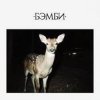
In 2026, DJ Smash continued releasing singles. Spring brought «БЭМБИ» and «КЛАТЧ», recorded with Artem Kacher, followed by «АРГО» in June.
Musical Style
House and its more commercial forms provided the foundation of DJ Smash's early work. In the mid-2000s, club-oriented reworks of Russian-language pop music played an important role, while original vocal songs later became central to his discography.
On IDDQD, house was combined with pop and rap; Twenty Three introduced symphonic arrangements, while Star Tracks and Smash World moved closer to European EDM and vocal house.
One of the defining features of DJ Smash's music is his attention to vocal melody. Even tracks built around a club foundation are often structured as full songs with a clear chorus and a guest vocalist. As a result, his best-known works have found an audience not only on dance floors, but also on radio and within mainstream pop.
Work with Other Artists
Collaborations make up a significant part of DJ Smash's discography. Over the years, he has worked with Timati, Larisa Dolina, the group «Lyube», Vera Brezhneva, Natalia Podolskaya, the group «Vintage», ANNA ASTI, Artem Pivovarov, Polina Gagarina, Egor Kreed, Artik & Asti, Klava Koka, Vanya Dmitrienko, Olga Seryabkina and Artem Kacher.
International artists who have appeared on his recordings include Alex Gaudino, Tara McDonald, Coco Star, Morandi, Ridley and others.
Projects Outside Music
In addition to music, Andrey Shirman has been involved in entertainment-industry projects. In 2012, he opened Boom Boom Room in Moscow, combining restaurant and karaoke formats.
Music nevertheless remains the central part of Andrey Shirman's public career — studio releases, live performances and production work.
Personal Life
Andrey Shirman is married to model Anastasia Krivosheeva. Their daughter Serafima was born in June 2020, and their son Mikhail was born in March 2024.
Serafima has already participated in studio recordings with her father: her voice appears on «Между небом и землёй (2025 Version)» and «Мой единорог».
DJ Smash Discography
Early Recordings
- 1996 — Get Funky
Studio Albums
- 2008 — IDDQD
- 2011 — Twenty Three
- 2012 — Новый мир
- 2014 — Star Tracks
- 2017 — Smash World
- 2019 — Viva Amnesia
- 2024 — MIU MЯU
Major Awards
- 2006 — Night Life Awards: Best DJ;
- 2008 — MTV Russia Music Awards: Debut — DJ Smash & Fast Food;
- 2008 — Golden Gramophone: «Moscow Never Sleeps»;
- 2013 — MUZ-TV Awards: Best Video — «Москва» with the group «Vintage».
DJ Smash in Russian Electronic Music
DJ Smash entered mainstream Russian music at a time when house was still regarded primarily as a club genre. «Moscow Never Sleeps», «Волна», «Москва» and later collaborations demonstrated that electronic production could work within the format of a complete Russian-language pop song while retaining a club-oriented foundation.
Over the course of his career, DJ Smash has progressed from the Perm club scene and early self-produced recordings to major radio hits, festival performances, symphonic programs and collaborations with artists from different generations. Despite changes in genres and formats, one of the defining characteristics of his music has remained consistent — the combination of electronic rhythm with a strong vocal melody.