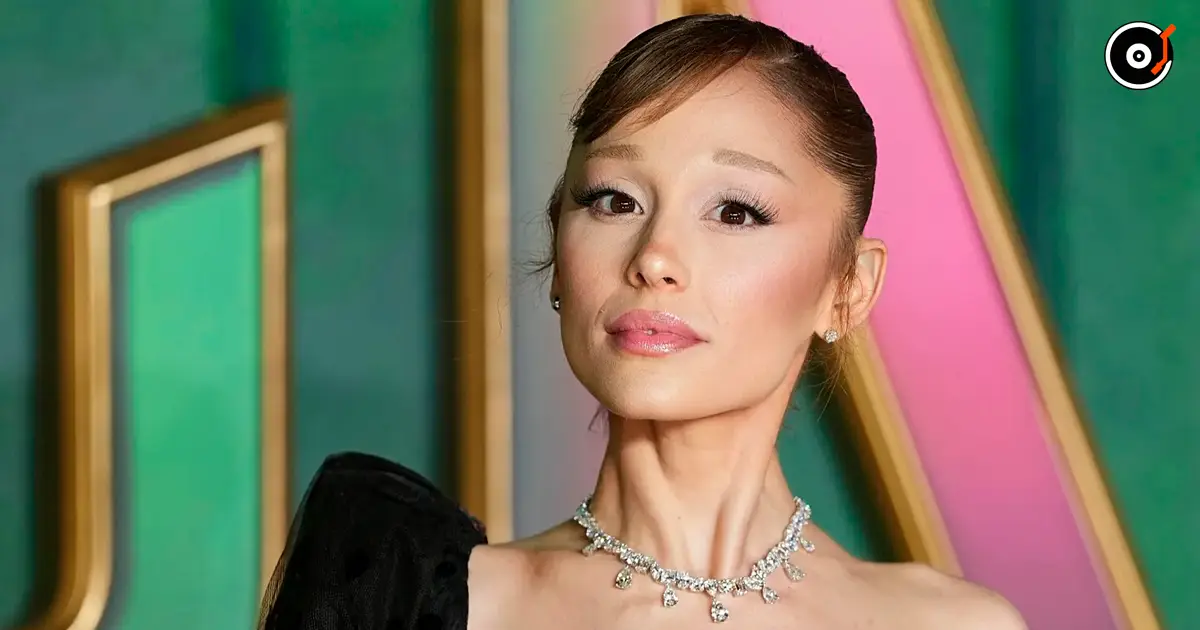
Ariana Grande demanded that the White House stop using her song Bye in videos about Donald Trump’s immigration policy.
Ariana Grande has publicly spoken out against the use of her song Bye in an official White House video promoting the immigration policies of Donald Trump’s administration. What began as a dispute over a social media soundtrack quickly evolved into another high-profile example of the ongoing tension between the music industry and political messaging.
The controversy stemmed from a post on the White House’s TikTok account. The video featured footage of arrests, showing federal agents placing individuals in handcuffs. As background music, the White House used Grande’s track Bye, a song from her album Eternal Sunshine. The caption played on the song’s title while claiming that President Trump had delivered “the safest border in history.”
Grande responded swiftly and unequivocally. In a comment on the post, she asked that her music never be used again in connection with what she described as “barbaric, inhumane, and disgusting nonsense.” According to U.S. media reports, the singer’s team immediately began exploring ways to have the track removed from the video.
The music was later removed. On TikTok, the original audio was replaced with a notice indicating that the sound was unavailable. The video itself reportedly remained online, but without Grande’s song.
The White House responded to the criticism through spokesperson Abigail Jackson. In a statement, the administration argued that the actions of criminal undocumented immigrants who had harmed American citizens were the truly “barbaric, inhumane, and disgusting” acts. In doing so, the White House sought to shift the debate away from the artist’s copyright and reputational concerns and toward a broader political discussion about immigration and public safety.
For the music industry, the significance of this case extends beyond Ariana Grande’s celebrity status. It once again raises an important question: where is the line between using popular music as a cultural reference point and appropriating an artist’s voice to imply political support that was never given?
In this instance, the issue was not the incidental use of a song at a public event but the deliberate synchronization of a track with specific visual imagery. Within the music business, such usage is typically treated as a distinct licensing category because the song becomes part of an audiovisual message and may therefore be interpreted by audiences as an endorsement of, or emotional reinforcement for, a political narrative.
That is precisely why artists often react so strongly to situations like this. For a pop star of Grande’s stature, a song is more than background music—it is part of her public identity, values, and relationship with her audience. When a track is paired with footage of immigration enforcement and arrests, it acquires a new context that the artist neither controlled nor necessarily supports.
Grande is far from the first musician to object to the Trump administration’s use of music. Sabrina Carpenter, SZA, Olivia Rodrigo, Kenny Loggins, and several other artists have previously voiced similar concerns. Their objections have involved not only copyright issues but also reputational risks: a song featured in a political video can create the false impression that the artist endorses the message being promoted.
The case involving Bye is particularly striking because of the contrast between the song’s meaning and the imagery used in the video. The White House employed a light, catchy pop track as an ironic audio meme to accompany hardline political messaging. For the administration, it was a way of communicating in the language of social media. For Grande, it represented an unwanted association between her work and a political agenda she considers unacceptable.
As a result, the dispute became about far more than a single TikTok video. It highlighted how, in the era of short-form content, music is increasingly being used as a political editing tool. Just a few seconds of a hit song can make a message more viral, amplify its emotional impact, and attract audiences who might otherwise ignore official content.
Yet this is also where the core problem lies for artists. The more powerful a song becomes as a cultural symbol, the greater the risk that its unauthorized use will be perceived as an attempt to appropriate the artist’s voice. Grande’s response serves as a reminder that a song’s popularity does not make it a neutral asset for any political campaign.
For the White House, removing the audio was a quick technical fix. For the music industry, however, the episode provides yet another argument for stricter oversight of how songs are used in political content—especially on platforms such as TikTok, where the boundaries between memes, advertising, and political propaganda are becoming increasingly blurred.