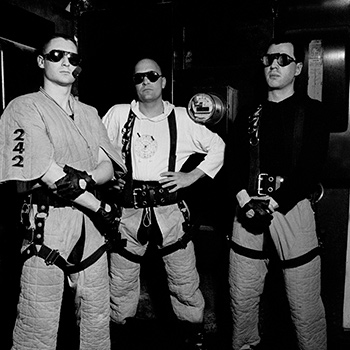

Oomph! is a German rock band formed in 1989 in Wolfsburg, Germany. The group is widely regarded as one of the founding pioneers of the Neue Deutsche Härte (NDH) genre—a style that fused industrial metal, electronic music, and harsh German-language lyrics. It was Oomph! who set the artistic and musical benchmarks later developed by bands such as Rammstein, Eisbrecher, and Megaherz.
The band’s name—Oomph!—is an onomatopoeic expression conveying energy, impact, and physical force, perfectly reflecting the character of their music.
Formation and Early Years (1989–1993)
The band was founded by three musicians:
-
Dero (Dero Goi) — vocals, lyrics
-
Flux — guitars, synthesizers, programming
-
Crap — bass guitar, electronic elements
In their early phase, Oomph! experimented with EBM, synth-pop, industrial, and alternative electronic music, drawing inspiration from Depeche Mode, Front 242, Nitzer Ebb, and early Ministry. During this period, the band focused on English-language lyrics and the club-oriented electronic scene.
Their debut album Oomph! (1992) showcased a minimalist, dark, and mechanistic approach, while the follow-up Sperm (1994) became more aggressive and conceptual, addressing taboo themes such as human nature, power, sexuality, and inner conflict. Even at this early stage, the band stood out for its philosophical depth and artistic coherence.
Switch to German and the Rise of NDH (1994–1998)
A defining moment in Oomph!’s history was their transition to the German language. This move was deliberate and ideological: the band sought lyrics that were sharper, more precise, and emotionally direct. The German language intensified the sense of industrial coldness and alienation, becoming an integral part of their sound.
The albums Defekt (1995) and Unrein (1998) cemented the band’s signature style—heavy guitar riffs, electronic sequences, marching rhythms, and Dero Goi’s deep, abrasive vocals. During this period, Oomph! came to be recognized as true pioneers of Neue Deutsche Härte, well before the release of Rammstein’s debut albums.
Commercial Breakthrough and Wider Recognition (1999–2005)
With the release of Plastik (1999), the band moved toward more structured songwriting and accessible melodies without abandoning their harsh aesthetic. This balance between heaviness and melody became one of Oomph!’s defining strengths.
Their true commercial breakthrough came in 2004 with the album Wahrheit oder Pflicht, which propelled the band far beyond the underground scene. The single “Augen auf!” became a major hit in Germany and firmly established Oomph! within the mainstream of alternative rock. The band began performing at major festivals and significantly expanded its international audience.
Mature Era and Thematic Depth (2006–2015)
In the following years, Oomph! continued to refine their aesthetic, delving deeper into themes such as:
-
religion and fanaticism
-
inner human conflict
-
loneliness and alienation
-
power, control, and social manipulation
Albums such as GlaubeLiebeTod (2006), Monster (2008), Truth or Dare (2010), and Des Wahnsinns fette Beute (2012) demonstrated the band’s evolution toward a more diverse sonic palette—ranging from harsh industrial metal to near-balladic melancholy. Throughout this period, Dero Goi’s lyrics retained their trademark directness and emotional intensity.
Oomph! came to be seen not merely as a band, but as a socio-philosophical project that used music as a tool to explore human psychology.
Later Years and the Departure of Dero Goi (2016–2021)
The albums XXV (2016) and Ritual (2019) summarized the long journey of the band’s classic lineup. During this time, creative and personal tensions intensified, ultimately leading to the departure of Dero Goi—the band’s longtime vocalist and lyricist—in 2021.
His exit marked a turning point in Oomph!’s history, as Dero’s voice and lyrics had defined the band’s identity for more than three decades.
A New Chapter for Oomph! (Since 2022)
Following Dero Goi’s departure, Flux and Crap decided to continue the band and begin a new chapter with a different vocalist. In 2023, a new frontman was introduced—Daniel Schulz (Der Schulz), previously known for his work with the band Unzucht.
With his arrival, the band released the album Richter und Henker (2023), which presented a more modern, melodic, and less oppressive sound while retaining the recognizable industrial foundation. Audience reactions were mixed: some fans welcomed the new direction, while others felt nostalgic for the earlier era.
Musical Style and Influence
Oomph! are considered architects of Neue Deutsche Härte, having influenced an entire generation of German and international acts. Their contribution lies not only in sound, but in concept—the fusion of heavy music, electronic textures, and intellectually charged lyrics.
Key characteristics of the band include:
-
harsh industrial guitar riffs
-
electronic sequences and mechanical rhythms
-
philosophical and socially critical lyrics
-
a strong and consistent visual and stage identity
Oomph! Discography
Studio albums
1992 — Oomph!
The band’s debut album, created in the style of EBM and industrial electronics. The sound is minimalist and cold, with English-language lyrics. The album laid the foundation for Oomph!’s future aesthetic, though it still lacked the metallic aggression that would define their later work.
1994 — Sperm
A harsher and more conceptual release that sparked controversy due to its provocative title and themes. The music became more aggressive, the lyrics darker, and elements of industrial rock began to emerge. The album is considered a transitional step toward a heavier sound.
1995 — Defekt
The first album on which German begins to dominate, with guitars moving to the foreground. The sound becomes denser and more mechanistic. It is from this release that Oomph! start shaping the aesthetic later known as Neue Deutsche Härte.
1998 — Unrein
A pivotal album in the band’s history. Here, the signature style is fully formed: heavy riffs, marching rhythms, harsh vocals, and dark philosophy. The album had a significant influence on the development of German industrial metal.
1999 — Plastik
A more structured and “polished” album in which aggression is combined with memorable melodies. This release marked an important step toward a broader audience while maintaining industrial rigidity.
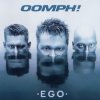
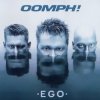
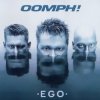
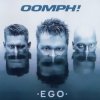
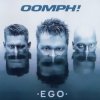
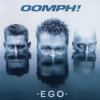
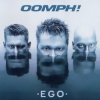
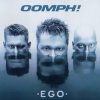
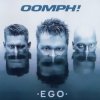
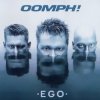
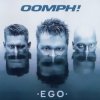
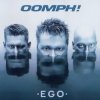
2001 — Ego
A concept-driven album focused on human ego, power, and inner conflict. The music became even more precise and powerful, while the lyrics grew increasingly philosophical and psychologically tense.
2004 — Wahrheit oder Pflicht
The band’s commercial breakthrough. This album brought Oomph! widespread recognition in Germany and beyond. The songs received heavy radio and TV rotation, and the band reached the level of major festivals and extensive touring.
2006 — GlaubeLiebeTod
One of the band’s most significant and conceptual albums. Themes of faith, love, and death are explored with philosophical depth and emotional force. The sound blends hard industrial metal with dark, introspective lyrics.
2008 — Monster
An album dedicated to inner demons, fears, and psychological abnormalities. The music ranges from aggressive tracks to near-ballads, highlighting the band’s versatility.
2010 — Truth or Dare
A bilingual release (German and English versions) aimed at an international audience. The album features more modern production and formal experimentation while preserving the band’s trademark heaviness.
2012 — Des Wahnsinns fette Beute
An eclectic and diverse album combining industrial metal, electronic music, and alternative rock. The title reflects the band’s interest in madness and the extremes of human nature.
2015 — XXV
An anniversary album marking 25 years of the band’s history. The release blends elements of classic Oomph! with a more contemporary approach to arrangements.
2019 — Ritual
A dark and atmospheric album that largely returns to the band’s roots. The final studio release featuring Dero Goi, filled with ritualistic aesthetics and a heavy, oppressive sound.
2023 — Richter und Henker
The first album with new vocalist Der Schulz. The music became more melodic and modern while retaining its industrial foundation. The album marked a new era for Oomph! and sparked active debate among fans.
Compilations and special releases
-
1998 — 1991–1996: The Early Years
-
2006 — Delikatessen
-
2011 — Best Of
-
2019 — The Singles Collection
Key singles and hits
-
Der neue Gott
-
Gekreuzigt
-
Augen auf!
-
Brennende Liebe
-
Labyrinth
-
Sandmann
-
Träumst du
-
Beim ersten Mal tut’s immer weh
-
Regen
-
Alles aus Liebe
-
Soll das Liebe sein?
-
Wem die Stunde schlägt
The discography of Oomph! represents a rare example of consistent artistic evolution: from the electronic underground to the status of founders of Neue Deutsche Härte. Each album stands as a self-contained statement, reflecting not only a stage in the band’s development, but also the evolution of German alternative music as a whole.
Legacy and Significance
Oomph! are not just a band, but a cornerstone of the modern German alternative scene. Their music shaped the language of Neue Deutsche Härte and proved that heavy music can be intellectual, conceptual, and deeply emotional.
Even decades later, Oomph! remain relevant—both as a historically significant project and as a living, evolving musical force.