![David Guetta, Alphaville & Ava Max - Forever Young (Dj Dark Remix) [Extended]](https://cdn.minatrix.com/covers/2024/12/100_103.png "Cover David Guetta, Alphaville & Ava Max - Forever Young (Dj Dark Remix) [Extended]")
 Монеточка
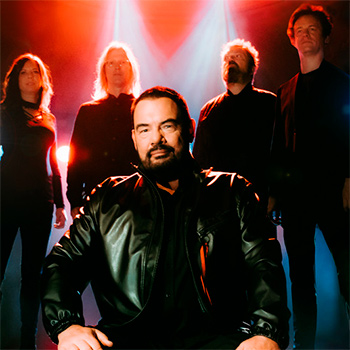
Alphaville is a German synth-pop band formed in the early 1980s and internationally known for the songs «Big in Japan», «Sounds Like a Melody» and «Forever Young». The group was founded by vocalist Marian Gold, keyboardist Bernhard Lloyd and keyboardist Frank Mertens. Alphaville’s music grew out of European new wave, electronic pop and an interest in synthesizers, drum machines and studio experimentation.
The musicians initially performed under the name Forever Young. In 1983, the project adopted the name Alphaville — after Jean-Luc Godard’s 1965 science-fiction film. Their first official single, «Big in Japan», immediately made the group known far beyond Germany, while the debut album Forever Young consolidated that success.
Formation of the band
The history of Alphaville began before the name itself appeared. Marian Gold and Bernhard Lloyd met in the early 1980s within the artistic community of West Berlin and took part in the creative collective Nelson Community. They also played together in the project Chinchilla Green.
In 1982, Lloyd began working with Frank Mertens on a new electronic project and invited Gold to join as vocalist. The trio took the name Forever Young. On December 31, 1982, the musicians played one of their first concerts with this lineup.
Work on the songs continued in a home studio in Münster. The musicians used synthesizers, drum machines and sequencers, gradually developing the material that would become their debut album.
In 1983, the band signed with WEA and changed its name to Alphaville.
Big in Japan
Alphaville’s first single was «Big in Japan», released in January 1984. Marian Gold had written an early version of the song before Alphaville was formed. He borrowed the title from the Liverpool punk band Big in Japan but used it as a metaphor: even someone who has failed in their own environment can imagine being successful somewhere far away. The song itself is not about Japan, but about the drug scene of West Berlin in the late 1970s and the story of two people trying to escape heroin addiction.
The song became Alphaville’s first major commercial success. «Big in Japan» topped the German chart, reached high positions in several European countries and entered the UK Top 10.
Sounds Like a Melody and Forever Young
The next single was «Sounds Like a Melody». The song was written and arranged under tight time constraints after the record company asked the band to release an additional single before «Forever Young».
In September 1984, «Forever Young» was released. The song was originally conceived as a faster electronic track, but its arrangement was substantially changed in the studio. The final version was built around Marian Gold’s voice, synthesizer parts and a restrained programmed rhythm.
Over time, «Forever Young» became Alphaville’s best-known song. It has been recorded and performed by other artists, used in films, television projects and advertising, and later found a new audience through streaming services and social media.
Debut album Forever Young
The first studio album, Forever Young, was released in September 1984. In addition to the three major singles, it included «A Victory of Love», «Summer in Berlin», «To Germany with Love», «Fallen Angel», «In the Mood» and other tracks.
The album established Alphaville’s early sound: melodic synth-pop with atmospheric keyboard parts, programmed rhythms and Marian Gold’s distinctive vocals. At the same time, the lyrics were often noticeably darker and more complex than the accessible pop form might suggest.
Despite their international success, Alphaville toured very little in the mid-1980s and for a long time remained primarily a studio project.
Frank Mertens leaves the band
At the end of 1984, Frank Mertens left Alphaville. He was replaced by Ricky Echolette, who played keyboards and guitar.
After the lineup change, Alphaville began work on their second album and gradually expanded their sound beyond the minimalist synth-pop of the debut.
Afternoons in Utopia
In 1986, the second album Afternoons in Utopia was released. Its main single was «Dance with Me». The album also included «Universal Daddy», «Jerusalem», «Sensations», «Red Rose» and the title track.
The production of the album was considerably more ambitious than the debut sessions. Alphaville used additional instruments, guest musicians and more complex studio arrangements. The electronic foundation remained, but the music became more orchestrated and diverse.
The material was united by futuristic themes: utopias, technology, space and humanity’s relationship with the modern world. These ideas would return repeatedly in the band’s later work.
The Breathtaking Blue and Songlines
The third studio album, The Breathtaking Blue, was released in 1989. Among its best-known tracks are «Romeos», «Mysteries of Love», «Summer Rain» and «For a Million».
The album was accompanied by the visual project Songlines. Different directors created a separate short film for each song. Decades later, the original film materials were restored and digitized for an expanded reissue of the album.
Prostitute
After an extended period of studio work, Alphaville released the album Prostitute in 1994. It differed noticeably from the pop sound of the early years and was considerably more eclectic.
The recording combines electronic music, rock, atmospheric instrumental passages and experimental arrangements. The album includes «Fools», «The Impossible Dream», «Iron John», «Ascension Day», «Euphoria» and other tracks.
During the 1990s, live performance gradually became a more important part of Alphaville’s work.
Salvation and Ricky Echolette’s departure
In 1997, Salvation was released. During work on the album, Ricky Echolette left Alphaville, although some of the parts he had recorded were included in the final version.
The album returned the group to a more pronounced electronic sound. Songs from this period include «Wishful Thinking», «Flame», «Soul Messiah», «Guardian Angel» and «Inside Out».
Dreamscapes and CrazyShow
In 1999, Alphaville released the large-scale eight-disc project Dreamscapes. It included well-known songs, demos, rare versions, remixes and previously unreleased material from different periods.
In 2003, the project CrazyShow appeared — a multi-disc collection of new and experimental material.
That same year, Bernhard Lloyd left Alphaville. After his departure, Marian Gold became the only member of the original trio to continue working permanently under the band’s name.
Live activity
From the late 1990s and especially throughout the 2000s, Alphaville completed the transition from a primarily studio-based project into a regularly touring band.
Various guest musicians worked in the live and studio lineups over the years. Among the best known were keyboardist Martin Lister, guitarist David Goodes, drummer Jakob Kiersch, bassist Maja Kim and others.
Martin Lister was involved in Alphaville’s live and studio work for many years and served as musical director of the touring lineup. He died in 2014.
Catching Rays on Giant
In 2010, Catching Rays on Giant was released — Alphaville’s first commercial studio album since Salvation.
Its main single was «I Die for You Today». The album continued the band’s electronic direction while adopting a contemporary pop sound for its time.
Strange Attractor
The next studio album, Strange Attractor, appeared in 2017.
It included «Heartbreak City», «House of Ghosts», «Around the Universe», «Enigma», «Giants» and other songs. The album retained Alphaville’s electronic foundation while combining it with more contemporary studio production.
Eternally Yours
In 2022, Alphaville released Eternally Yours, recorded together with the German Film Orchestra Babelsberg.
It is a symphonic reinterpretation of the band’s catalog rather than a conventional album of new material. Songs from different periods were newly arranged for the project, including «Big in Japan», «Sounds Like a Melody», «Forever Young», «Dance with Me» and «A Victory of Love».
After the album’s release, the material was also performed in a symphonic concert program.
Forever Young decades later
The song «Forever Young» continued to develop a life of its own decades after its original release. It repeatedly returned to public attention through cover versions, films, television series and internet culture.
In 2024, the song experienced a new wave of popularity on TikTok and topped the TikTok Billboard Top 50. In 2025, the original recording surpassed one billion streams on Spotify.
In May 2025, Alphaville received the European Culture Prize for their contribution to cultural exchange and the development of the arts. By that time, the band was continuing to perform live, while the renewed interest in «Forever Young» had taken the song beyond one billion Spotify streams.
Lineup and key members
The only permanent member of Alphaville’s original lineup during the later stages of the band’s history is Marian Gold. The touring lineup changed over the years, so it is more accurate to consider it separately from the original formation.
Founders of Alphaville:
- Marian Gold — vocals, songwriting;
- Bernhard Lloyd — keyboards, programming, composer;
- Frank Mertens — keyboards.
Key members from later periods:
- Ricky Echolette — keyboards, guitar;
- Martin Lister — keyboards, live and studio work.
Other musicians have also participated in Alphaville concerts and individual studio recordings, although the lineup varied depending on the period and program.
Studio discography
- Forever Young — 1984;
- Afternoons in Utopia — 1986;
- The Breathtaking Blue — 1989;
- Prostitute — 1994;
- Salvation — 1997;
- Catching Rays on Giant — 2010;
- Strange Attractor — 2017.
Eternally Yours, released in 2022, occupies a separate place in the discography as a symphonic album featuring new orchestral recordings of songs from different periods.
Musical style
The foundation of Alphaville’s sound remains synth-pop — melodic pop music built primarily around synthesizers, electronic programming and Marian Gold’s distinctive vocals.
At different stages, the group has also explored new wave, experimental electronic music, rock arrangements, atmospheric pop and orchestral sound.
Marian Gold’s lyrics are characterized by themes of time, youth, technology, war, utopia, love and human identity. The key songs from the debut era — «Big in Japan», «Sounds Like a Melody» and especially «Forever Young» — remain central to Alphaville’s catalog decades later.