


 Victoria Niro

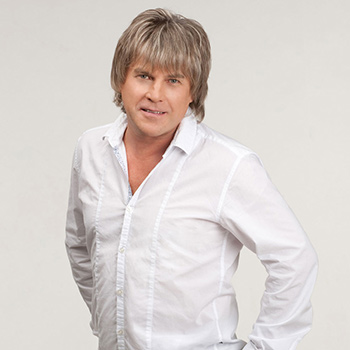
DJ Groove (real name — Evgeny Anatolyevich Rudin; born April 6, 1972, in Apatity, Murmansk Region) is a Russian DJ, electronic musician, composer, producer and film composer, and one of the notable figures in the formation of Russia’s club scene in the 1990s. He has worked with house, techno, breakbeat, jungle, drum and bass, downtempo and other forms of electronic music. He is widely known for the tracks «Счастье есть», «Ноктюрн», «Ответ», «Мужики не танцуют», electronic reworkings of music from «Служебный роман» and numerous remixes.
DJ Groove’s career is connected with several stages in the development of Russian electronic music: the Saint Petersburg parties of the early 1990s, the first large-scale raves, Moscow clubs, the radio station «Станция 106,8 FM» and the transition of club-oriented electronic music into mainstream radio and television. Rudin later worked extensively in film music and became involved in music education.
Childhood in Apatity and musical education
Evgeny Rudin grew up in Apatity. He began studying music at about the age of five and learned to play the piano. At both general school and music school, one of his classmates was future television presenter Andrey Malakhov. They studied solfeggio together and sang in a choir: Malakhov learned violin, while Rudin studied piano.
In the second half of the 1980s, Rudin became interested in breakdancing, performed with the Murmansk crew «Санаторий» and took part in the festival «Архангельск '88». Even before discovering club-oriented electronic music, he had already entered a new youth culture in which music and dance existed as a single environment.
In 1989, Rudin moved to Leningrad. He studied operatic singing at a department affiliated with the conservatory and performed classical repertoire. His studies continued for about two years, after which his growing interest in the new electronic scene gradually displaced the academic direction.
Fontanka, the first raves and the beginning of his DJ career
In 1991, a friend took Evgeny to a party at Fontanka, 145, one of the venues associated with the emerging Saint Petersburg club culture. There he became closely acquainted with DJs working with vinyl and began learning mixing techniques.
An important event for the young Russian rave scene was the Gagarin Party, held on December 14, 1991, in the «Космос» pavilion at VDNKh in Moscow. Events of this kind brought electronic dance music out of a small underground environment and introduced it to a much wider audience.
DJ Groove dates his first full DJ set to 1992. He performed at the Saint Petersburg club «Планетарий», playing for almost the entire night — from house to harder techno and breakbeat.
In the early 1990s, Rudin also participated in the electronic project Not Found. This period saw his first experiments with producing electronic music independently. Gradually, he began performing not only in Saint Petersburg but also in Moscow.
DJ Groove, jungle and Storm Crew
The stage name DJ Groove became firmly associated with Evgeny Rudin during the first half of the 1990s. His interests were not limited to a single style: he played house and techno, experimented with breakbeat and later became actively involved with jungle.
Together with DJ Dan, he created the project Storm Crew. In 1997, the EP New Level was released, featuring «Step Off», «Liquid Sky», «Password» and «Fever 95». The project became one of the early Russian attempts to work with jungle and drum and bass.
At the same time, Groove was producing remixes. In the mid-1990s, he reworked songs by the group «Мальчишник», experimenting with club-oriented production and breakbeat. This material formed the album «Мальчишник представляет DJ Грув: Поговорим о сексе».
«Станция 106,8 FM»
In 1995, the Moscow radio station «Станция 106,8 FM» began broadcasting, focusing on contemporary dance and alternative electronic music.
Evgeny Rudin became its first program director and took part in shaping the station’s schedule. Together with DJ Dan, he hosted the program «Шторм», which featured breakbeat, jungle and other current styles from the electronic scene.
His work in radio marked Groove’s transition from the club underground into the broader music industry.
«Счастье есть»
His major commercial breakthrough came in 1996, when DJ Groove released the album «Счастье есть». The title track became one of the most recognizable Russian electronic compositions of the decade.
The recording uses the voices of Mikhail and Raisa Gorbachev. The phrases were specially recorded and then incorporated by Groove into the composition. A melodic keyboard theme was combined with a soft dance rhythm close to the dream house aesthetic of the mid-1990s.
The success of «Счастье есть» demonstrated that electronic music originating in club culture could break into mainstream radio and television.
During the same period, Groove wrote the music for «Голосуй или проиграешь», recorded by members of «Мальчишник» as part of the presidential election campaign of the same name in 1996.
«Ноктюрн» and late-1990s remixes
His next major original album was «Ноктюрн», released in 1997. On it, Groove continued combining dance-oriented electronics with melodic and atmospheric themes. The record included «Мечта», «Метеор», «Вечное движение», «Ромео и Джульетта», three parts of «Ноктюрн» and a remix of «Где-то далеко» featuring vocals by Iosif Kobzon.
«Ноктюрн. Часть 3» became particularly well known. The composition and its music video consolidated Groove’s success beyond the club audience.
During the same period, the musician worked extensively on remixes, including songs by Vladimir Kuzmin and material by Iosif Kobzon. Combining memories of Soviet popular music with contemporary electronic arrangements became one of the characteristic features of his work in the late 1990s.
«Шесtь», «Мужики не танцуют» and experiments of the 2000s
In 2000, the album «Шесtь» was released. It included «Ответ», «Дискофан», «Мария», «Весна 2000», «Крылья», «Сейчас я улечу» and other tracks. House was combined here with slower and more atmospheric forms of electronic music.
In 2002, «Мужики не танцуют» appeared. Groove continued working across several directions at once and did not attempt to keep all of his material within a single club style.
In 2003, the musician released «Зеркало», associated with the experimental alias DJ вурГ. His next notable project was «Служебный роман».
«Служебный роман» and music from Soviet cinema
In 2004, DJ Groove released an electronic reworking of the musical theme from Eldar Ryazanov’s film «Служебный роман». The recording received extensive radio airplay, and releases titled «Служебный роман» and «Служебный роман 2» followed.
Groove also turned to other recognizable themes from Soviet film and television, including music from «Берегись автомобиля», «Семнадцати мгновений весны» and the opening theme of «Ералаш».
Music for film
A separate branch of Evgeny Rudin’s career is his work for cinema. As early as the 1990s, he took part in creating music for Garik Sukachyov’s film «Кризис среднего возраста», and later worked on Roman Kachanov’s «Даун Хаус».
He subsequently wrote music for films and television series including «Фобос. Клуб страха», «Наша Russia: Яйца судьбы», «Зелёная карета», «Маршрут построен», «Молот», «Дом фарфора» and «Смертельные иллюзии».
Film music allowed Groove to work more extensively with ambient, downtempo, instrumental electronic textures and compositions not intended directly for the dancefloor.
Later albums
In the second half of the 2000s, «Белый альбом» and «ЯD» appeared. In 2011, his discography expanded with «Черно-белый альбом» and «Я верю».
The album My Story in Progress, released in 2014, marked a return to a harder electronic aesthetic. A significant portion of the material consisted of drum and bass and related styles. The tracks included «Nail», «Worm of Love», «That's a Monster», «Soul Magnit», «Nitrogen» and the title track «My Story in Progress».
In addition to albums, Groove continued releasing individual tracks, collaborations and remixes.
DJ Groove Audio School
In 2006, Evgeny Rudin and electronic musician Andrey Abramov, known as Android, founded the DJ Groove Audio School in Moscow.
The school teaches DJing, electronic music production, work with music software and other areas of contemporary music production. Rudin participates in its activities as an instructor and conducts master classes.
Main DJ Groove discography
- «Счастье есть» — 1996;
- «Ноктюрн» — 1997;
- «Шесtь» — 2000;
- «Мужики не танцуют» — 2002;
- «Зеркало» — 2003;
- «Служебный роман» — 2004;
- «Служебный роман 2» — 2004;
- «Белый альбом» — 2007;
- «ЯD» — 2007;
- «Черно-белый альбом» — 2011;
- «Я верю» — 2011;
- My Story in Progress — 2014.
Style
DJ Groove has worked with house, techno, jungle, drum and bass, breakbeat, downtempo and experimental electronic music. Much of his work is characterized by a combination of club rhythm and expressive melody.
The most historically significant period of his career came in the 1990s, when the Russian electronic scene was only beginning to form its own clubs, radio stations and audience. Groove simultaneously worked as a DJ, composer, remixer and radio programmer, while the success of «Счастье есть» made him one of the most recognizable Russian electronic musicians of his generation.