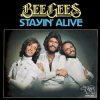
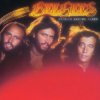
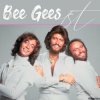
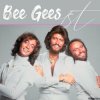
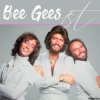
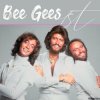
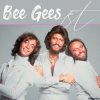
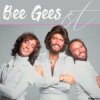
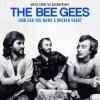
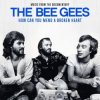
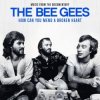
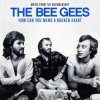
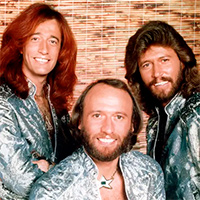
The Bee Gees are a British–Australian trio formed by brothers Barry, Robin, and Maurice Gibb in the late 1950s. Over their more than 50-year career, the group sold over 220–250 million records, becoming one of the most successful acts in the history of global music.
The Bee Gees are a masterful fusion of:
- 1960s pop rock
- baroque psychedelia
- soul ballads
- soft rock
- R&B
- and, of course, disco—a genre they transformed forever
The Gibb brothers are often called the most recognizable harmony creators of the 20th and 21st centuries—their vocal arrangements are considered iconic, and Barry Gibb is one of the most successful songwriters of all time.
Early Years: From Manchester to the World Stage
The Gibb brothers were born on the Isle of Man but grew up in Manchester. Their earliest musical work started in 1958 under the name The Rattlesnakes, later renamed Wee Johnny Hayes & the Blue Cats.
In 1958, the family moved to Australia (Brisbane, then Sydney), where the brothers began performing professionally.
In Australia, the Bee Gees:
- appeared on television programs
- released early singles
- developed their first style — pop/rock heavily influenced by The Beatles
Their breakthrough came in 1966, when producer Robert Stigwood noticed them and brought them back to the UK.
1967–1974: International Fame and the “Golden” Pop Era
After returning to London, the Bee Gees signed with Polydor and released a series of hits that became classics of the 1960s:
- New York Mining Disaster 1941 (1967) — their first worldwide hit
- Massachusetts (1967) — UK No. 1
- To Love Somebody — one of the most covered songs in history
- Holiday
- Words
- I Started a Joke — one of Robin Gibb’s greatest masterpieces
This period blended orchestral pop music, soft rock, and light psychedelia. Many critics compared them to “the new Beatles” due to their vocal harmonies.
However, by the mid-1970s, their popularity declined sharply, and the band even considered breaking up. But this crisis led them into a new era.
1975–1979: The Disco Revolution and Global Dominance
In 1975, after moving to Miami and beginning work with producer Arif Mardin, the Bee Gees shifted toward funk-disco and introduced Barry Gibb’s signature falsetto.
The album Main Course (1975) became a turning point:
Jive Talkin’ — Billboard No. 1
Nights on Broadway — debut of the iconic falsetto
But the true revolution came in 1977.
Saturday Night Fever — The Album That Changed the World
The soundtrack to Saturday Night Fever (1977) became the best-selling soundtrack in history (>40 million copies).
Bee Gees classics from the soundtrack include:
- Stayin’ Alive
- Night Fever
- How Deep Is Your Love
- More Than a Woman
The film and its music turned the Bee Gees into global disco icons.
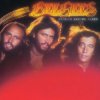
Their 1979 album Spirits Having Flown sold over 20 million copies and produced three consecutive U.S. No. 1 singles.
The Bee Gees became one of the most dominant acts in Billboard history.
1980s: Disco Decline, but a New Rise as Hitmakers
After the anti-disco movement in the U.S., the genre’s popularity collapsed—but the Bee Gees thrived as songwriters.
They wrote global hits for major artists:
- Barbra Streisand — Woman in Love (No. 1 worldwide)
- Diana Ross — Chain Reaction
- Kenny Rogers & Dolly Parton — Islands in the Stream
- Dee Dee Bridgewater
- Olivia Newton-John
Their songs sold millions — the Bee Gees became songwriters whose compositions charted more often than most groups could dream of.
1990s–2000s: The Return of the Legends
In 1997, the Bee Gees were:
- inducted into the Rock and Roll Hall of Fame
- awarded the Grammy Legend Award
- featured in the iconic One Night Only concert special
The album Still Waters (1997) and late-90s compilations revived their superstar status and brought a new generation of fans.
Tragedies and the End of an Era
- 2003 — Maurice Gibb passed away from complications after surgery
- Barry and Robin continued performing occasionally as a duo
- 2012 — Robin Gibb died after a long illness
After this, the Bee Gees effectively ceased to exist as a group.
Barry Gibb continues a solo career and has collaborated with Coldplay, Dolly Parton, Dave Grohl, and others.
Main Discography of the Bee Gees
Studio Albums (Selected)
1965 — The Bee Gees Sing and Play 14 Barry Gibb Songs
1966 — Spicks and Specks
1967 — Bee Gees’ 1st
1968 — Horizontal
1969 — Idea
1969 — Odessa
1970 — Cucumber Castle
1971 — 2 Years On
1972 — Trafalgar
1973 — Life in a Tin Can
1974 — Mr. Natural
1975 — Main Course
1976 — Children of the World
1979 — Spirits Having Flown
1981 — Living Eyes
1987 — E.S.P. (chart comeback)
1989 — One
1991 — High Civilization
1993 — Size Isn’t Everything
1997 — Still Waters
2001 — This Is Where I Came In (final album)
Major Compilations
- Saturday Night Fever (1977) — soundtrack
- Greatest (1979)
- Their Greatest Hits: The Record (2001)
- Number Ones (2004)
- Mythology (2010)
Iconic Songs
- Stayin’ Alive
- How Deep Is Your Love
- Night Fever
- Tragedy
- Words
- To Love Somebody
- Jive Talkin’
- You Win Again
- I Started a Joke
- Massachusetts
Little-Known Facts
- Barry Gibb is one of the most decorated songwriters in the world — over 250 artists have recorded his songs.
- In 1978, the Bee Gees controlled nine songs on the Billboard charts simultaneously — an unmatched record.
- Robin Gibb’s unique vibrato was admired by John Lennon and Morrissey.
- Odessa (1969) is considered one of the most underrated baroque-pop albums of the 20th century.
- The Bee Gees recorded much of their music at the legendary Criteria Studios in Miami.
- Their falsetto-driven style influenced modern disco revivalists such as Daft Punk, Jamiroquai, and The Weeknd.
Legacy
The Bee Gees are far more than just a disco group.
They are:
- legendary songwriters who reshaped pop music
- masters of vocal harmony
- one of the most influential acts of the 20th century
- symbols of an entire musical era
The Bee Gees’ legacy is felt everywhere today — in pop, disco, modern funk hybrids, soft rock, and even in many electronic genres. Their music continues to appear in films, TV series, commercials, and on dance floors worldwide. The Bee Gees remain a group without which the history of pop music cannot be imagined.